
The Secret to Radiant Skin: How Serums Can Transform Your Skincare Routine in India.
In the world of skincare, serums have carved out a reputation for being powerful, fast-absorbing, and highly effective. Whether you’re aiming for a youthful glow, improved texture, or intense hydration, adding a serum to your routine can be a game-changer.
What Exactly is a Serum?
A serum is a lightweight skincare product packed with a high concentration of active ingredients. Unlike creams or lotions, serums are designed to penetrate deeply into the skin, delivering nutrients and hydration where they are needed most. They are often used to address specific concerns like wrinkles, dryness, dullness, or uneven tone.
Why You Should Use a Serum
- Targeted Treatment: Serums are formulated to tackle specific skin issues such as fine lines, pigmentation, acne scars, or redness.
- Lightweight and Fast-Absorbing: Their thin, fluid texture allows serums to absorb quickly without feeling greasy or heavy.
- Powerful Ingredients: Serums often contain a higher concentration of active ingredients like hyaluronic acid, vitamin C, niacinamide, peptides, or retinol.
- Boost Overall Skin Health: When used consistently, serums can significantly enhance your skin’s appearance, making it smoother, firmer, and more radiant.
How to Incorporate a Serum Into Your Routine
- Start with a Clean Face: Always apply serum after cleansing and before moisturizing. This ensures the active ingredients penetrate properly.
- Use Just a Few Drops: A little goes a long way. Apply a few drops onto your fingertips and gently pat it onto your face and neck.
- Follow With Moisturizer: After the serum absorbs, lock in the benefits with a moisturizer suited to your skin type.
- Morning and Night: Some serums are designed for morning use (like antioxidant-rich formulas), while others (like retinol serums) are best used at night. Always read usage guidelines carefully.
Choosing the Right Serum for Your Skin
- Dry Skin: Look for hydrating serums with hyaluronic acid or glycerin.
- Oily or Acne-Prone Skin: Serums with salicylic acid, niacinamide, or tea tree extract can help control oil and prevent breakouts.
- Mature Skin: Anti-aging serums featuring peptides, vitamin C, or retinol can help reduce the appearance of wrinkles and promote firmness.
- Sensitive Skin: Choose calming ingredients like chamomile, aloe vera, or ceramides.
Tips for Best Results
- Always do a patch test when trying a new serum.
- Layer serums properly if you use more than one (lightest to heaviest texture).
- Consistency is key—give it a few weeks to see noticeable results.
- Protect your skin during the day with sunscreen, especially if you use serums with active ingredients like vitamin C or retinol.

- ✅ 10% STABLE VITAMIN C (ETHYL ASCORBIC ACID – COS-VCE) Formulated with 10% Ethyl Ascorbic Acid, a next-generation stable…
- ✅ BOOSTS GLOWING SKIN & VISIBLE BRIGHTNESS This powerful Vitamin C serum for glowing skin reduces melanin production, he…
- ✅ EFFECTIVE DARK SPOT & PIGMENTATION TREATMENT Targets dark spots, acne marks, sun spots, and uneven skin tone at the ro…
₹664
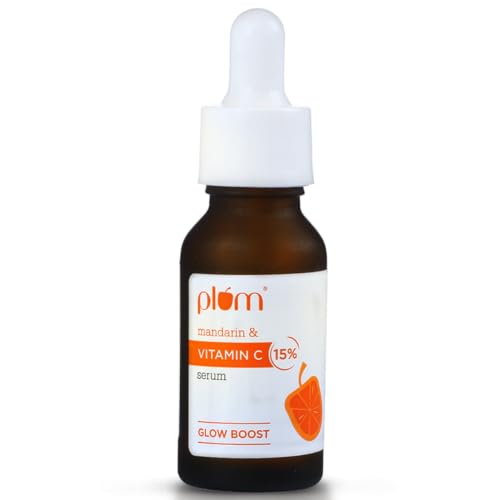
- Boosts Glow & Evens Skin Tone: This vitamin C serum for combination skin contains 15% ethyl ascorbic acid that helps boo…
- Targets Pigmentation and Dark Spots: If you’re looking for a serum for pigmentation and dark spots, this is a clinically…
- Hydrating and Soothing Formula for All Skin Types: Infused with betaine and rose extracts, this vitamin C serum for dry …
₹449
Popular Serum Ingredients in India:
- Hyaluronic Acid: A powerful hydrator, crucial for combating dehydration due to heat and humidity. It helps keep skin plump and smooth (e.g., Brinton Dexperts Hyaluronic Acid Face Serum, Minimalist Hyaluronic Acid Serum).
- Vitamin C: Highly favored for its brightening properties, antioxidant benefits against sun damage and pollution, and ability to fade dark spots and hyperpigmentation (e.g., Mamaearth Skin Illuminate Face Serum, Minimalist 10% Vitamin C Face Serum, Dot & Key Vitamin C serums).
- Niacinamide (Vitamin B3): Known for its ability to control oil production, minimize pores, reduce inflammation, and improve skin tone. It’s often paired with other ingredients like Vitamin C (e.g., The Derma Co. Niacinamide Serum, Minimalist 10% Niacinamide Face Serum).
- Retinol: A potent anti-aging ingredient that promotes cell turnover, reduces wrinkles, and improves skin texture. Often recommended for nighttime use (e.g., Minimalist Retinol Serum, Oziva Youth Elixir Anti Ageing Face Serum).
- Salicylic Acid: Effective for acne-prone skin as it helps to unclog pores, reduce inflammation, and control excess oil (e.g., Myupchar Face Serum, The Derma Co 2% Salicylic Acid Face Serum).
- Peptides: Used in anti-aging serums to stimulate collagen production and improve skin elasticity (e.g., Minimalist Multi Peptide 10% Face Serum).
- Kojic Acid and Alpha Arbutin: These are popular for targeting hyperpigmentation and dark spots (e.g., The Derma Co 2% Kojic Acid Face Serum, Minimalist 2% Alpha Arbutin Face Serum).
- Natural Ingredients: Extracts like green tea, aloe vera, turmeric, and various oils (coconut, sesame, almond) are also valued for their antioxidant, soothing, and moisturizing properties in the Indian context (e.g., Lotus Botanicals Green Tea Serum).
Indian Approach to Skincare Serums (Potential Aspects):
- Focus on Hydration: Given the climate in Kerala, lightweight yet effective hydrating serums with hyaluronic acid are likely to be well-received.
- Addressing Hyperpigmentation: Sun exposure is a significant concern, so serums targeting dark spots, uneven skin tone, and tanning with ingredients like Vitamin C, niacinamide, kojic acid, and alpha arbutin are probably popular.
- Balancing Oiliness: The humid climate can lead to oily skin, making serums with niacinamide and salicylic acid beneficial.
- Integration with Traditional Practices: It’s possible that serums are being incorporated into existing Indian skincare routines that might include natural oils and other traditional remedies.
- Layering: Understanding the correct way to layer serums (typically after cleansing and toning, and before moisturizer and sunscreen) is crucial for effectiveness.
- Sun Protection Emphasis: The importance of using sunscreen alongside serums, especially those with active ingredients like Vitamin C and retinol that can increase sun sensitivity, is likely stressed.